 ±0.61 m
Florida Panhandle
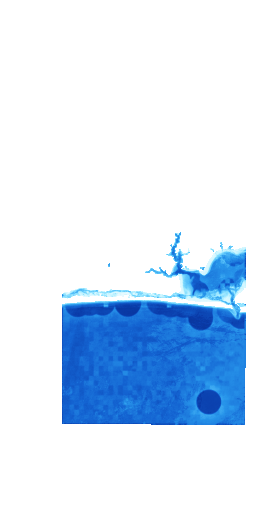
Santa Rosa Sound to Destin, Florida Panhandle
- ±0.61 mtypical error
- 199laser soundings checked
- 406 km²of shallows
Updated 2 d ago
Inshore, bays and inlets
Paralichthys spp.
Flat, camouflaged and lying on the sand edge of the channel you just paddled through.
Sandy drop-offs beside channels and inlet mouths on the falling tide; the autumn run to the ocean is the best fishing.
Peak months, shaded. Outside them the species may still be around, just less reliably.
Methods: spinning / casting, bait.
Bait and lures: Live mud minnows or finger mullet on a jig head, Gulp shrimp, bucktails dragged slowly.
Technique: Drag a jig slowly along the bottom where sand meets a channel edge, pause when you feel the thump, count to three.
Florida: Florida: 14 in minimum, 5 per day, closed Oct 15 - Nov 30. Verify with FWC.
North Carolina: North Carolina has had very short seasons; check NCDMF before you go.
Seasons, sizes and bag limits change every year and differ by zone. Check the current regulations before you keep anything.
±0.61 mFlorida Panhandle
Updated 2 d ago
 ±1.41 m
Southwest Florida
Updated 2 d ago
Preferences are expert estimates from the fisheries literature and angling practice, not measurements at your spot. The likelihoods on the maps are a planning aid, not a catch prediction.